
Childhood studies has spent a long time deconstructing “the child’s voice.” But what has this attention to children’s “voices” meant we overlook? Most child-centred research involves adult researchers, then children’s… Read more Denaturalising the “adult voice” →


Are children part of the public in “public health”? Using a critical discourse analysis of NZ’s Covid public health political & media messaging, we conclude: no, but children’s representations are TOOLS of public health, used to influence the adult public. What does this exclusion mean for children’s roles in public health crises – and for the health of the public?
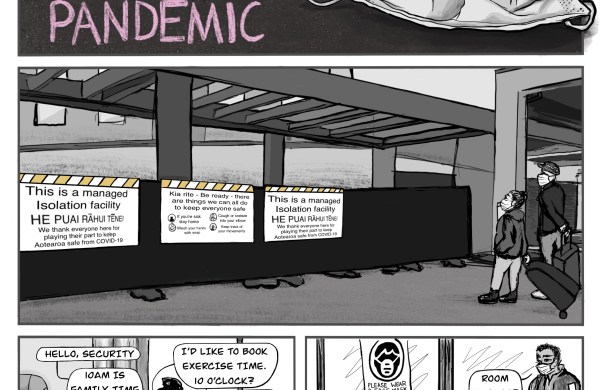
Re-childing the COVID-19 pandemic; and what we lose from the un-childed public “As the pandemic has shown, when children are neither seen nor heard they are easily forgotten from the… Read more What do we lose when we lose children? →

Analysing emotions such as love can enable new ways of understanding human relationships
and deepen reflexive ethnographic practice. Love in research with children, however, carries a unique set of implications
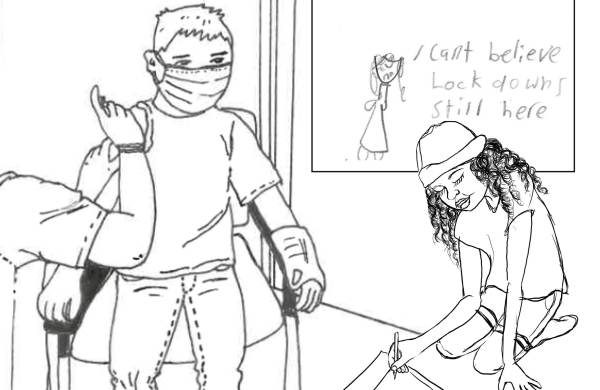
Amidst the pandemic chaos of 2020 we asked, where have all the children gone? In our podcast that year for AAA’s Raising our Voices we drew attention to children’s silencing in COVID-19 policy and media reports, speculated on the consequences of children’s erasure, and drew from the anthropology of childhood to suggest how we might think about and un-silence children’s experiences of the pandemic. Two years on, we this time ask: where have all the children been?

Part of the series “Graphic Ethnography on the Rise” published in Fieldsites‘ Theorizing the Contemporary. Cite As: Spray, Julie. 2022. “What Does Drawing Do for the Anthropology of Childhood?.” Theorizing the… Read more What does drawing do for the anthropology of childhood? →
 Julie Spray