Comics, Childhood and the Alternative

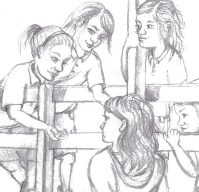
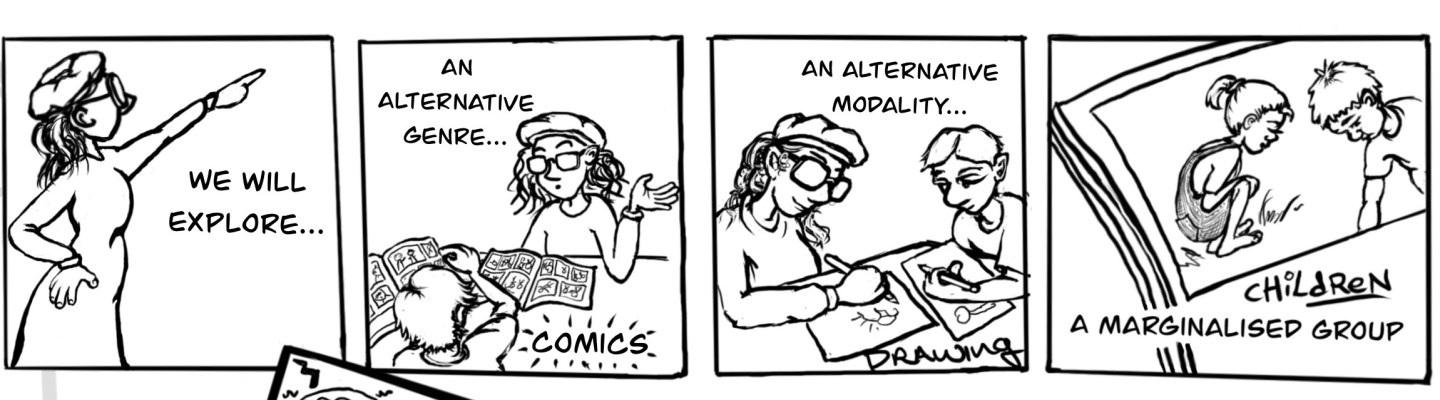
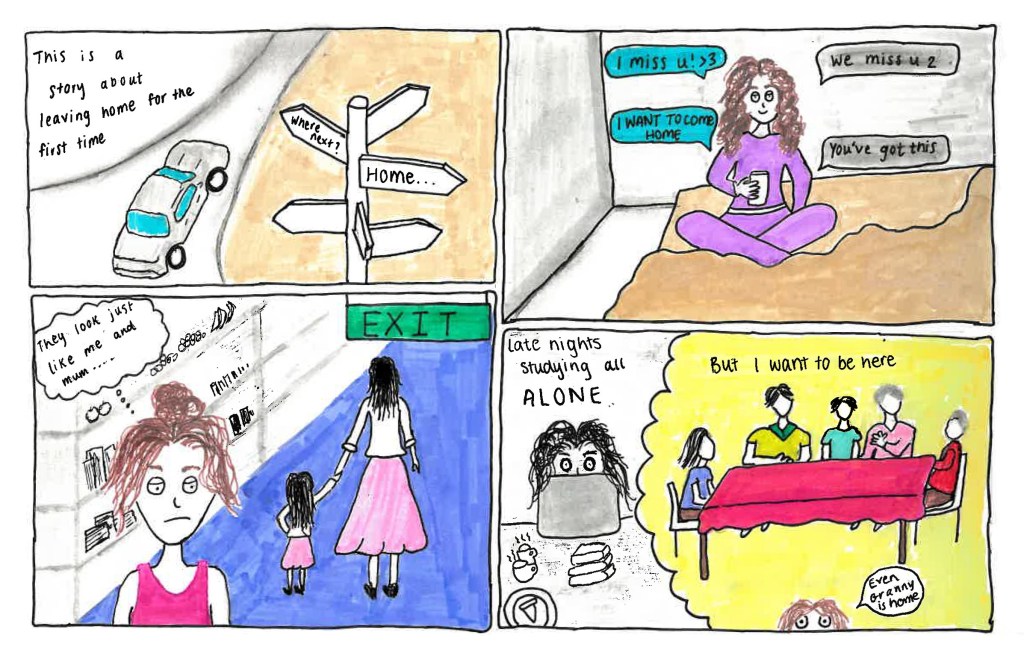
Comics, or sequential art, are an alternative literary medium that hold special meaning for children’s and youth subcultures. In this course we will use the study of comics to explore notions of the alternative or alterity (otherness; the lateral; unconventionality) by drawing links between marginalised people (children and youth), a marginalised medium (comics) and marginalised practices (drawing). This course will examine comics, childhood, and the alternative from three directions. First, we will examine comics as cultural artefacts of the 20th century: their production, consumption, and contestations as material culture associated with children and young people. Second, we will analyse children’s representation in comics as a means of understanding socio-cultural constructions of childhood as an “othered” life stage. Third, through practical experimentation, we will explore comic-making as a method for practice (teaching, research, therapies, etc) and as a personal practice for our own self-actualisation. We will consider questions like: Why are grown-ups afraid of drawing? Why are comics considered neither great art nor great literature? How do comics make us see, feel and hear stories? By engaging with alternatives to conventional academic topics and practices, students will acquire a critical consciousness of the normative and taken-for-granted. You do not have to be a skilled artist to be successful in this course. You do need to be enthusiastic and willing to draw a lot.
 Julie Spray