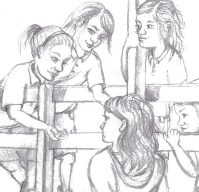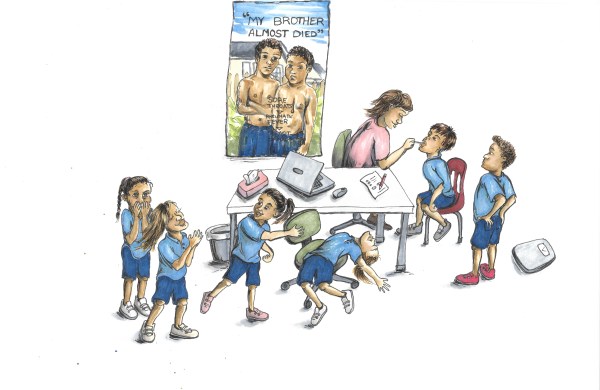
“Neglecting children’s perspectives has important consequences, not only for children’s wellbeing and experience, but for an intervention’s success. I argue that good child health policy should be predicated on regard for children as whole people: as social actors and participants in public life, whose experiences, understandings, interpretations and practices matter and can mediate the effectiveness of policy interventions.”


What happens to the “chronic homework” of asthma management when racism, socio-economic disadvantage, and medical systems gaps in the U.S. “disarticulate” families from professional care?
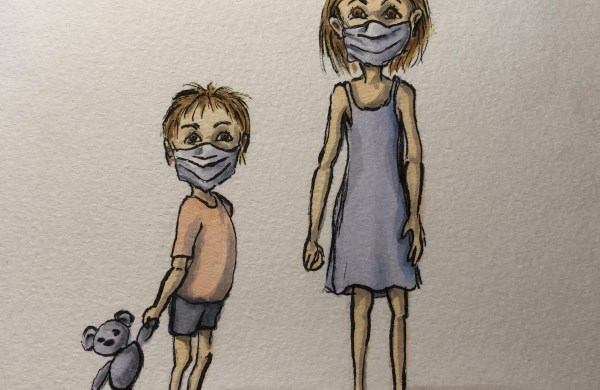
As childhood medical anthropologists in America’s pandemic, we see children’s issues everywhere –school re-openings; mental health concerns; medical risks—but children themselves have been, to our ears, conspicuously silent.

The children of Tūrama School, where I conducted by doctoral research, produced a lot of drawings during my time with them. Meanwhile, I also produced a number of drawings with them.
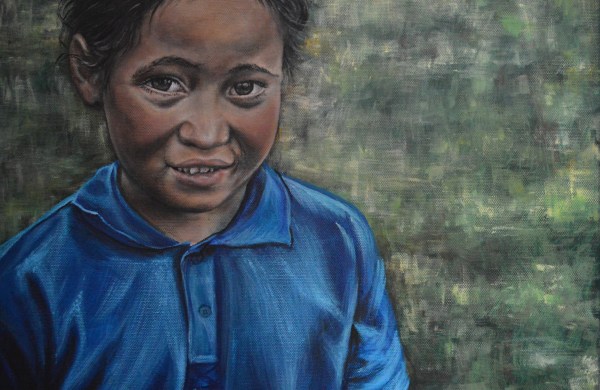
Who are the children in child health policies and programming? How have we overlooked them, and why is it critical that we start paying attention to them now? This book is about what children do: the unseen and underestimated practices of children who make lives for themselves in situations of poverty and inequality.